





Chevy Bolt charging becomes easier to plan once you know where the car will park and how far you drive. Therefore, most daily charging can happen while the Bolt sits overnight. The first step is matching your routine with the available power source.
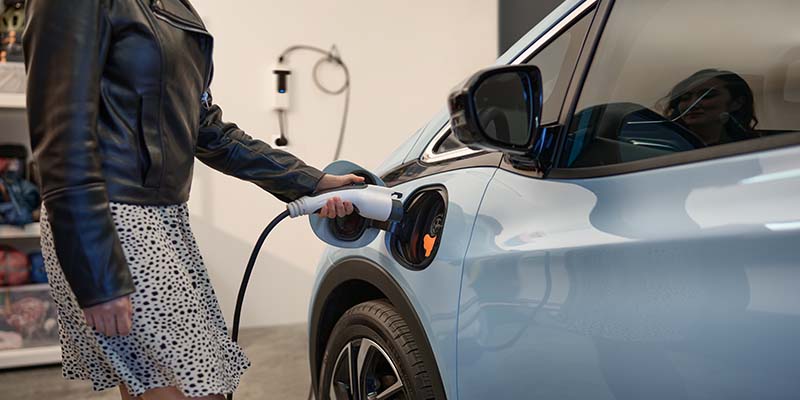
For this reason, a regular household outlet may cover shorter daily trips. However, a 240 volt setup restores more energy during the same parking window. Public fast charging then supports longer travel beyond Malden and nearby communities.
Therefore, the goal is simple. Learn what each charging level does, how long it takes, and what to check before plugging in.
Start With Your Daily Miles and Parking
First, your daily mileage gives you the clearest starting point for Chevy Bolt charging. Additionally, a short commute may require less energy than you expect. However, longer routes need more overnight charging power.
How far do you drive on a normal day? That number shows how much battery energy you need to replace each night. The answer does not require advanced math.
Therefore, start with three details:
- Record your normal round trip mileage, including errands and school stops.
- Check whether the Bolt can remain parked near an outlet overnight.
- Note how many hours the car usually stays parked before the next trip.
For this reason, a driver covering 25 miles may replace that energy through a standard outlet. A driver covering 70 miles may prefer 240 volt charging.
In addition, parking access matters. A garage, driveway, or dedicated parking spot makes home charging easier to arrange. However, renters may need permission before adding electrical equipment.
Therefore, think about where the cable will reach. Avoid extension cords unless Chevrolet and the charging equipment maker permit them. A licensed electrician should inspect any outlet planned for steady charging.
Chevy Bolt charging works best when the home setup matches the miles driven. That simple match removes much of the confusion.
How Does Chevy Bolt Charging Work?
First, Chevy Bolt charging moves electricity from an outlet or public station into the battery. Additionally, the car controls how much power enters at each moment.
At home, alternating current travels through the charging cord. The Bolt then converts that power before storing it in the battery. Public fast chargers send direct current toward the battery instead.
What happens after you connect the cable? The car and charger complete a safety check before energy starts moving. Then, the screen shows charge status and estimated completion time.
Therefore, plugging in is only the first step. The Bolt also checks battery temperature, current battery level, and available charger output.
In addition, Level 1 and Level 2 charging use the car’s onboard charging hardware. DC fast charging follows a different electrical path. That path supports faster energy transfer during travel stops.
In addition, the car slows the charging rate as the battery gets fuller. This protects the battery and manages heat. Therefore, the last part of a fast charging session may take longer.
Therefore, Chevy Bolt charging does not require you to manage each electrical step. Still, knowing the basic path makes charger choices easier.
Choose Between Level 1 and Level 2 at Home
First, Level 1 uses a standard 120 volt household outlet. By contrast, Level 2 uses 240 volt power from a suitable outlet or wall unit.
Which option fits your routine? Level 1 may work when daily mileage stays low and the Bolt remains plugged in overnight. Level 2 fits drivers who need more energy restored before morning.
A standard outlet adds energy slowly. However, it may still cover a light commute when the car stays connected for several hours.
By contrast, Level 2 sends more power during the same parking period. The returning Bolt can accept up to 11.5 kW through Level 2 charging.
Before choosing, review these points:
- Level 1 may fit short daily routes and long overnight parking windows.
- Level 2 may fit longer commutes, frequent errands, or limited parking time.
- A licensed electrician should inspect the circuit before steady home charging begins.
Additionally, home charging equipment also needs the correct circuit size. In addition, the outlet and wiring must match the charger’s power draw.
Chevy Bolt charging at home becomes simple once the setup fits your routine. Plug in after the final trip, then unplug before leaving.
How Long Does Chevy Bolt Charging Take?
First, Chevy Bolt charging time changes with battery level, charger output, and accepted power. A nearly empty battery takes longer than a small top up.
How long should you expect to wait? The answer starts with how much energy the battery needs. Therefore, charging from 60 percent to 80 percent takes less time than charging from 10 percent.
Level 1 works slowly through a household outlet. Therefore, it suits small daily energy needs and long parking periods.
Level 2 adds energy faster through 240 volt power. It can restore a larger share of the battery during an overnight session.
By contrast, DC fast charging serves travel stops. The 2027 Bolt can accept up to 150 kW at a compatible station. Additionally, Chevrolet estimates about 25 minutes from 10 percent to 80 percent.
However, that estimate will not match every stop. Charger output, battery temperature, station demand, and starting battery level all shape the session.
In addition, fast charging slows as the battery nears a high charge level. Therefore, drivers may spend less time by leaving before the battery reaches full.
Chevy Bolt charging time makes more sense when you compare the charging method with the trip. Therefore, home charging serves routine travel. By contrast, fast charging serves longer routes.
Use Public Charging Without Guesswork
First, public charging begins with four checks: connector, charger speed, access, and payment. However, the nearest station may not fit every charging need.
Can you use any station shown on a map? No. First, confirm that the station supports the Bolt’s NACS charge port. Additionally, check the charger’s listed output.
The myChevrolet mobile app can show station locations and support route planning. However, drivers should still review current station status before leaving.
Use this process before a public charging stop:
- Confirm the station has a connector that fits the Bolt.
- Check whether the charger offers Level 2 or DC fast charging.
- Review access hours, price details, and current charger status.
Some stations sit inside parking garages, dealerships, hotels, or shopping areas. Therefore, access may change after business hours.
In addition, some networks require an account or app. Setting that up before travel prevents delays at the charger.
Chevy Bolt charging at a public station should start with the cable connection. Then follow the station screen or app prompts.
Therefore, public charging does not need to feel uncertain. A short review before departure can prevent wasted stops.
Plan Charging Around Southeast Missouri Travel
First, home charging may cover most trips around Malden, Kennett, Poplar Bluff, and nearby communities. However, longer routes may require one planned public stop.
How should you prepare for travel beyond your normal area? Start with the full route, then locate compatible chargers before leaving. Additionally, add a backup station when choices are limited.
The 2027 Bolt carries an EPA estimated range of 262 miles. However, speed, hills, cabin heating, cooling, and cargo can change available range.
Therefore, do not plan around the full estimate alone. Leave room for detours, missed exits, and charger availability.
A trip toward Cape Girardeau, Memphis, or St. Louis may require different planning. In addition, highway speeds can use energy faster than local travel.
Before departure, set the desired charge level and review the route in the app. Then confirm that each planned station supports the NACS connector.
Chevy Bolt charging can fit rural and regional travel when home charging handles routine miles. Public fast charging then covers longer days.
Therefore, EV ownership becomes easier once charging follows a repeatable pattern. Charge at home, plan public stops, and check station details before each longer trip.
Connect with us

