





Trax vs Trailblazer gets easier to sort out when you picture your normal week. Both seat five and carry nearly the same total cargo volume. However, their layouts and drivetrain choices point toward different routines. Trax keeps the formula simple with front wheel drive and one turbo engine. Trailblazer adds available all wheel drive, another turbo engine, and a longer cargo path. Therefore, the decision starts with where you drive, what you carry, and how much choice you want.
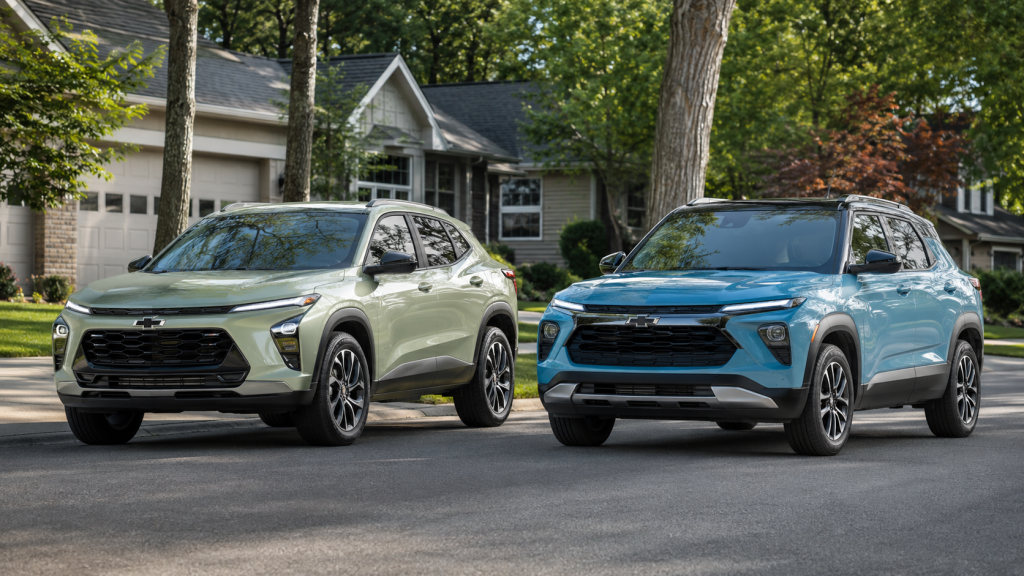
Where Trax and Trailblazer Overlap
What separates Trax vs Trailblazer in daily life? The biggest splits involve drivetrain choice, cargo shape, and available engine output. However, the two Chevrolet crossovers overlap more than their names suggest.
Both models seat five people. Additionally, rear legroom is very close between them. Trax offers 38.7 inches in the second row. Trailblazer provides about 39 inches. Therefore, rear passenger space alone is unlikely to settle the choice.
Moreover, cargo volume tells a similar story. Trax provides 25.6 cubic feet behind the rear seat. Trailblazer provides 25.3 cubic feet in the same area. With rear seats folded, both offer about 54 cubic feet.
That close match shifts attention toward your routine. A commuter may care more about a simple front wheel drive layout. A traveler may care more about available all wheel drive. Moreover, someone carrying long gear may prefer the Trailblazer folding front passenger seat.
For this reason, Trax vs Trailblazer works best as a routine comparison. Start with passengers and cargo, then move toward drivetrain and engine choices.
Passenger Space and Cargo Shape
Which one gives passengers and cargo more room? Their basic measurements are close, but the cargo layouts serve different tasks. Therefore, cubic feet should not be the only number you review.
Additionally, Trax has a broad rear cargo area behind the second row. That space suits groceries, backpacks, pet gear, and luggage without folding rear seats. Additionally, its 38.7 inches of rear legroom leaves useful space for adult passengers.
Trailblazer stays close in those same measurements. However, its fold flat front passenger seat changes how long items can travel inside. Chevrolet lists up to 8.5 feet of cargo length with the seats arranged for long loads.
That layout can matter for items such as flat pack furniture, trim pieces, fishing rods, or outdoor gear. Instead of focusing only on total volume, think about the shape of what you carry.
Before choosing either model, test the cargo area with your own routine in mind:
- Check whether your stroller, pet crate, cooler, or work bag fits behind the rear seat without rearranging passengers.
- Fold the rear seats and note whether the load floor gives enough length for larger items you move regularly.
- If long gear matters, test the Trailblazer front passenger seat and confirm that the added length solves your specific need.
Trax vs Trailblazer remains close on ordinary passenger and cargo space. By contrast, Trailblazer gains a distinct edge when interior load length matters.
When Available All Wheel Drive Matters
When does Trailblazer all wheel drive make more sense? It gives the driver another drivetrain choice for trips where four wheel power delivery is preferred. Trax uses front wheel drive across the lineup.
Additionally, front wheel drive sends engine power to the front wheels. That layout keeps Trax straightforward for commuting, errands, and paved travel. In addition, it removes an extra drivetrain choice from the shopping process.
Trailblazer offers available all wheel drive. The setup can send power through all four wheels when the drivetrain calls for it. Therefore, shoppers who want that layout have a clear reason to focus on Trailblazer.
The decision should still match your normal routes. If most miles involve paved streets and highway commuting, Trax may cover the task well. If your plans include gravel lanes, steep driveways, or more varied travel, Trailblazer offers another drivetrain path.
Trax vs Trailblazer becomes much easier once AWD enters the discussion. One model keeps front wheel drive standard across every trim. The other gives you a choice.
Engine Choices and Longer Trip Needs
Does Trailblazer’s stronger engine make it the automatic choice? No. Engine output matters most when it matches the way you plan to use the SUV.
Moreover, Trax uses a 1.2 liter turbo engine with 137 horsepower and 162 pound feet of torque. That single engine keeps the lineup simple. Therefore, shoppers do not need to sort through several engine combinations.
Trailblazer also offers a 1.2 liter turbo. In addition, an available 1.3 liter turbo raises output to 155 horsepower and 174 pound feet. That gives shoppers another step when they want more engine output.
Trailblazer also separates itself through light trailer use. Chevrolet lists up to 1,000 pounds of towing for the 2026 Trailblazer. Trax is not rated for towing. Therefore, even a small trailer plan can settle the comparison quickly.
Before choosing, think through these routine questions:
- Do you want one engine choice, or do you want the option of higher output?
- Will you ever carry a small trailer that stays within the Trailblazer published rating?
- Do long cargo items appear in your routine more than ordinary bags, groceries, and passenger gear?
These answers may matter more than a small difference in total cargo volume. Moreover, they connect each specification to a task you already know.
Which Chevrolet Small SUV Fits Your Routine
Therefore, the final Trax vs Trailblazer decision should reflect the week you already live. Trax suits shoppers who want five seats, useful cargo room, and a straightforward front wheel drive layout. Its rear passenger space also stays close to Trailblazer.
Trailblazer makes more sense when AWD, longer interior cargo length, or light towing enters the plan. Additionally, the available 1.3 liter turbo gives another engine choice. Those differences create clearer reasons to move toward Trailblazer.
For commuters and errand heavy schedules, Trax keeps the setup simple. For mixed travel and more varied cargo needs, Trailblazer offers more configuration choices. Still, both remain compact Chevrolet crossovers with similar seating and cargo volume.
The best comparison happens when you test your own routine inside both cabins. Sit in the rear seat, fold the seats, and open the cargo area. In addition, check the controls and visibility from the driver’s seat. Harry Blackwell Chevrolet can place Trax and Trailblazer side by side for that comparison. Then you can choose the one that fits your week with fewer compromises.
Connect with us

