





Chevrolet Financing
Explore Chevy Financing and Payment Options
Talk With Our Finance Team About Payment Scenarios
Schedule a Visit to Finalize Your Chevy Financing Plan
| Sales | ||
| Day | Open | Closed |
| Monday | 8:00AM | 5:00PM |
| Tuesday | 8:00AM | 5:00PM |
| Wednesday | 8:00AM | 5:00PM |
| Thursday | 8:00AM | 5:00PM |
| Friday | 8:00AM | 5:00PM |
| Saturday | 8:00AM | 5:00PM |
| Sunday | Closed | Closed |
Chevy Financing in Malden: How to Understand Payments Before You Apply
Chevy buyers looking at financing want to know what a monthly payment may look like before moving into a credit application. That concern is reasonable because the payment shown on a worksheet is shaped by several pieces working together rather than by vehicle price alone. Vehicle cost, down payment, trade value, interest rate, and loan term all move the number, and when those pieces are not explained clearly, the process can feel uncertain from the start.
A clearer payment discussion gives the shopper a stronger starting point. Instead of reacting to one number, the buyer can see how the structure is built and which changes will move the payment up or down. That matters because a payment that looks manageable at first glance may carry a longer term, a larger finance charge, or a cash requirement that was not part of the original plan. Reviewing those details before applying helps the shopper prepare and enter the finance process with a better sense of direction.
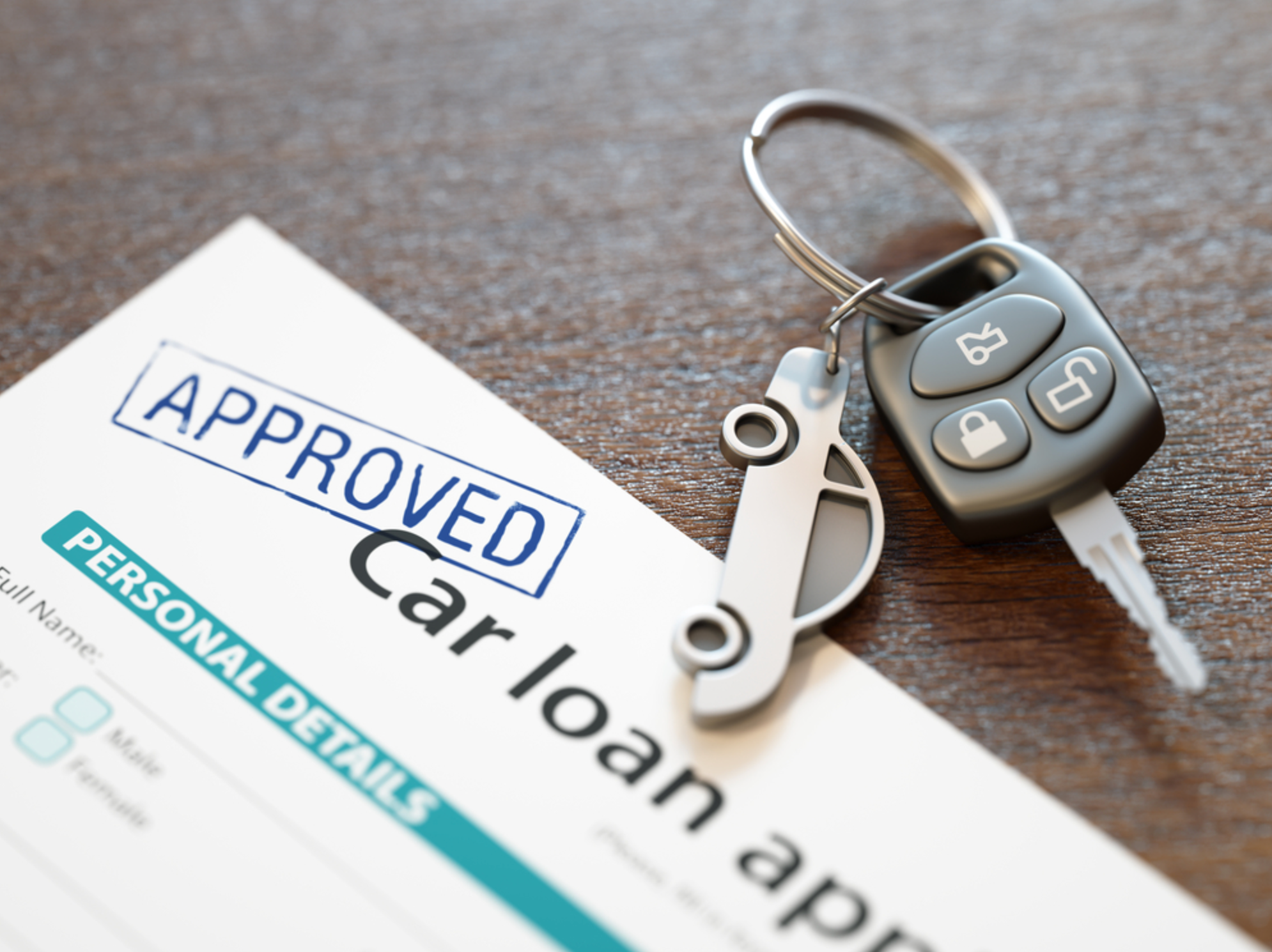
What Chevrolet financing covers
Chevrolet financing usually refers to the way a dealership works with finance sources to structure a vehicle purchase. That can include GM Financial programs, lender offers, promotional rates for qualified buyers, and standard installment loans arranged through the finance office. The dealership helps gather the information, review possible structures, and match the vehicle purchase to an available lending path.
For the shopper, the important point is that financing is more than filling out an application. It includes reviewing the vehicle price, any money placed down, the value of a trade, the rate tied to the credit profile, and the time selected for repayment. Those items come together to form the monthly payment. When a shopper understands that structure first, the application step feels more informed and less rushed.
How payments are built
A payment calculator or finance worksheet uses the same core inputs every time. It starts with the selling price of the vehicle, then accounts for taxes, fees, cash down, and any trade equity. From there, the loan amount is paired with an interest rate and a repayment term. Once those elements are entered, the monthly payment can be estimated.
Each input carries its own tradeoff. A larger down payment can lower the amount financed, though it also means bringing more cash to the purchase. A longer term can reduce the monthly figure, but it can also increase the total amount paid over the life of the loan. A lower rate can improve the payment and the finance charge, while a higher rate can move the plan in the opposite direction. Looking at the full structure, not only the monthly figure, gives the shopper a clearer basis for comparison.
What shapes your rate and term
Credit profile is a major part of how lenders review an application. Income, debt levels, payment history, loan history, and the strength of the overall file can all affect which lending programs are available. The vehicle itself can also matter, since a new Chevrolet, a used model, and a certified vehicle may not be treated the same way by every finance source.
Term length shapes the payment in a direct way. A shorter term usually means a higher monthly amount and less time to repay the balance. A longer term can lower the monthly figure, though it can stretch the obligation much farther into the future. Shoppers often focus first on getting to a certain payment range, but the stronger review also looks at how the term changes the total finance picture.
Prequalification and full application are not the same step
Prequalification is often used early in the process because it gives the shopper a chance to review possible terms before moving into a full credit application. In many cases, this step uses limited information and gives a general picture of what a lender may offer. That makes it useful for buyers who want to estimate their options and narrow the payment range before choosing a vehicle or final structure.
A full application goes deeper. It is used when the shopper is closer to selecting the vehicle and is ready for a more complete lending review. Knowing the difference between these steps matters because it helps the buyer choose the right point to begin. A person still sorting through vehicle choice and payment targets may prefer to start with prequalification, while a shopper who is ready to move ahead may be better served by the full review.
What to prepare before you apply
Preparation can make the financing process easier to follow. Most shoppers should be ready with a valid driver license, proof of income, proof of residence, insurance information, and details on any trade. If there is an unpaid balance on the trade, having lender payoff information ready will also make the payment review more complete.
It also helps to prepare a few clear questions before speaking with the finance team. Ask how much cash is being used in the structure, whether the rate is tied to a specific lender condition, how the term changes the full repayment amount, and whether a trade is adding or reducing equity in the deal. Those questions keep the conversation focused on the parts of the payment that matter most to the shopper.
Why payment review matters before signing
A buyer does not need to walk into financing with every answer already in hand, but the payment should make sense before any final agreement is signed. That review should cover the amount financed, the term, the rate, and the expected monthly obligation. When those items are clear, the buyer is in a better position to decide whether the vehicle and financing plan fit together.
That is where a dealership finance team can be useful. A structured review gives the shopper a chance to compare payment paths, ask questions, and clear up any uncertainty before moving forward. For someone looking at Chevy financing, that discussion can turn a confusing worksheet into a plan that feels easier to follow and easier to evaluate.
What is a well qualified buyer for Chevy?
A well qualified buyer usually refers to a shopper who meets the lender and incentive requirements tied to a current offer. Credit profile, loan structure, and program details can all shape that status, so reviewing current terms with the dealership is the strongest way to understand what applies to you.
How much is oil change at Chevy dealership?
Oil change pricing can vary by model, engine, and service menu. For a financing shopper, the larger point is budgeting for routine maintenance alongside the monthly payment so the vehicle still fits the household budget after delivery.
What do I need to finance a car?
Most shoppers should be ready with a driver license, proof of income, proof of residence, insurance information, and details on any trade. Having those items ready can make the finance review move more smoothly and make payment options easier to compare.
How do buy here pay here car lots near me compare to traditional Chevy financing?
Buy here pay here financing keeps the sale and loan at the same store, while traditional Chevrolet financing usually works through outside lenders or finance partners. Shoppers should compare rate, total cost, payment timing, fees, and contract terms before choosing between them.
(Note: This article focuses on providing valuable information and does not mention specific pricing, for more information about financing and car buying, please reach out to our dealership.)