





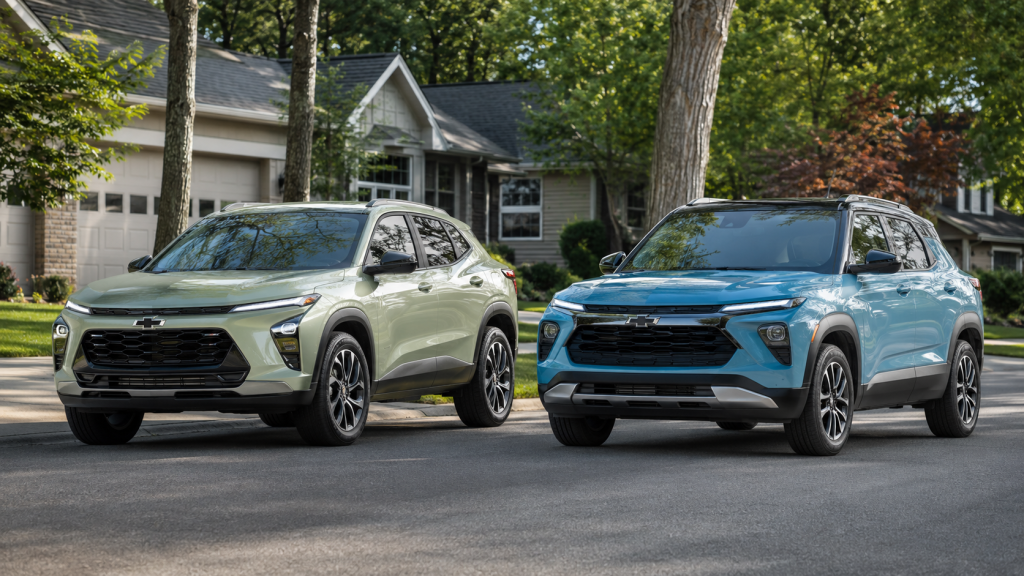
Trax vs Trailblazer gets easier to sort out when you picture your normal week. Both seat five and carry nearly the same total cargo volume. However, their layouts and drivetrain choices point toward different routines. Trax keeps the formula simple with front wheel drive and one turbo engine. Trailblazer adds available all wheel drive, another turbo engine, and a longer cargo path. Therefore, the decision starts with where you drive, what you carry, and how much choice you want. Where Trax and Trailblazer Overlap What separates Trax vs Trailblazer in daily life? The biggest splits involve drivetrain choice, cargo shape, and available engine output. However, the two Chevrolet crossovers overlap more than their names suggest. Both models seat five people. Additionally, rear legroom is very close between them. Trax offers 38.7 inches in the second row. Trailblazer provides about 39 inches. Therefore, rear passenger space alone is unlikely to settle the choice. Moreover, cargo volume tells a similar story. Trax provides 25.6 cubic feet behind the rear seat. Trailblazer provides 25.3 cubic feet in the same area. With rear seats folded, both offer about 54 cubic feet. That close match shifts attention toward your routine. A commuter may care more about a simple front wheel drive layout. A traveler may care more about available all wheel drive. Moreover, someone carrying long gear may prefer the Trailblazer folding front passenger seat. For this reason, Trax vs Trailblazer works best as a routine comparison. Start with passengers and cargo, then move toward drivetrain and engine choices. Passenger Space and Cargo Shape Which one gives passengers and cargo more room? Their basic measurements are close, but the cargo layouts serve different tasks. Therefore, cubic feet should not be the only number you review. Additionally, Trax has a broad rear cargo area behind the second row. That space suits groceries, backpacks, pet gear, and luggage without folding rear seats. Additionally, its 38.7 inches of rear legroom leaves useful space for adult passengers. Trailblazer stays close in those same measurements. However, its fold flat front passenger seat changes how long items can travel inside. Chevrolet lists up to 8.5 feet of cargo length with the seats arranged for long loads. That layout can matter for items such as flat pack furniture, trim pieces, fishing rods, or outdoor gear. Instead of focusing only on total volume, think about the shape of what you carry. Before choosing either model, test the cargo area with your own routine in mind: Check whether your stroller, pet crate, cooler, or work bag fits behind the rear seat without rearranging passengers. Fold the rear seats and note whether the load floor gives enough length for larger items you move regularly. If long gear matters, test the Trailblazer front passenger seat and confirm that the added length solves your specific need. Trax vs Trailblazer remains close on ordinary passenger and cargo space. By contrast, Trailblazer gains a distinct edge when interior load length matters. When Available All Wheel Drive Matters When does Trailblazer all wheel drive make more sense? It gives the driver another drivetrain choice for trips where four wheel power delivery is preferred. Trax uses front wheel drive across the lineup. Additionally, front wheel drive sends engine power to the front wheels. That layout keeps Trax straightforward for commuting, errands, and paved travel. In addition, it removes an extra drivetrain choice from the shopping process. Trailblazer offers available all wheel drive. The setup can send power through all four wheels when the drivetrain calls for it. Therefore, shoppers who want that layout have a clear reason to focus on Trailblazer. The decision should still match your normal routes. If most miles involve paved streets and highway commuting, Trax may cover the task well. If your plans include gravel lanes, steep driveways, or more varied travel, Trailblazer offers another drivetrain path. Trax vs Trailblazer becomes much easier once AWD enters the discussion. One model keeps front wheel drive standard across every trim. The other gives you a choice. Engine Choices and Longer Trip Needs Does Trailblazer's stronger engine make it the automatic choice? No. Engine output matters most when it matches the way you plan to use the SUV. Moreover, Trax uses a 1.2 liter turbo engine with 137 horsepower and 162 pound feet of torque. That single engine keeps the lineup simple. Therefore, shoppers do not need to sort through several engine combinations. Trailblazer also offers a 1.2 liter turbo. In addition, an available 1.3 liter turbo raises output to 155 horsepower and 174 pound feet. That gives shoppers another step when they want more engine output. Trailblazer also separates itself through light trailer use. Chevrolet lists up to 1,000 pounds of towing for the 2026 Trailblazer. Trax is not rated for towing. Therefore, even a small trailer plan can settle the comparison quickly. Before choosing, think through these routine questions: Do you want one engine choice, or do you want the option of higher output? Will you ever carry a small trailer that stays within the Trailblazer published rating? Do long cargo items appear in your routine more than ordinary bags, groceries, and passenger gear? These answers may matter more than a small difference in total cargo volume. Moreover, they connect each specification to a task you already know. Which Chevrolet Small SUV Fits Your Routine Therefore, the final Trax vs Trailblazer decision should reflect the week you already live. Trax suits shoppers who want five seats, useful cargo room, and a straightforward front wheel drive layout. Its rear passenger space also stays close to Trailblazer. Trailblazer makes more sense when AWD, longer interior cargo length, or light towing enters the plan. Additionally, the available 1.3 liter turbo gives another engine choice. Those differences create clearer reasons to move toward Trailblazer. For commuters and errand heavy schedules, Trax keeps the setup simple. For mixed travel and more varied cargo needs, Trailblazer offers more configuration choices. Still, both remain compact Chevrolet crossovers with similar seating and cargo volume. The best comparison happens when you test your own routine inside both cabins. Sit in the rear seat, fold the seats, and open the cargo area. In addition, check the controls and visibility from the driver's seat. Harry Blackwell Chevrolet can place Trax and Trailblazer side by side for that comparison. Then you can choose the one that fits your week with fewer compromises.
GM Rewards for Chevrolet Owners After Purchase or Service
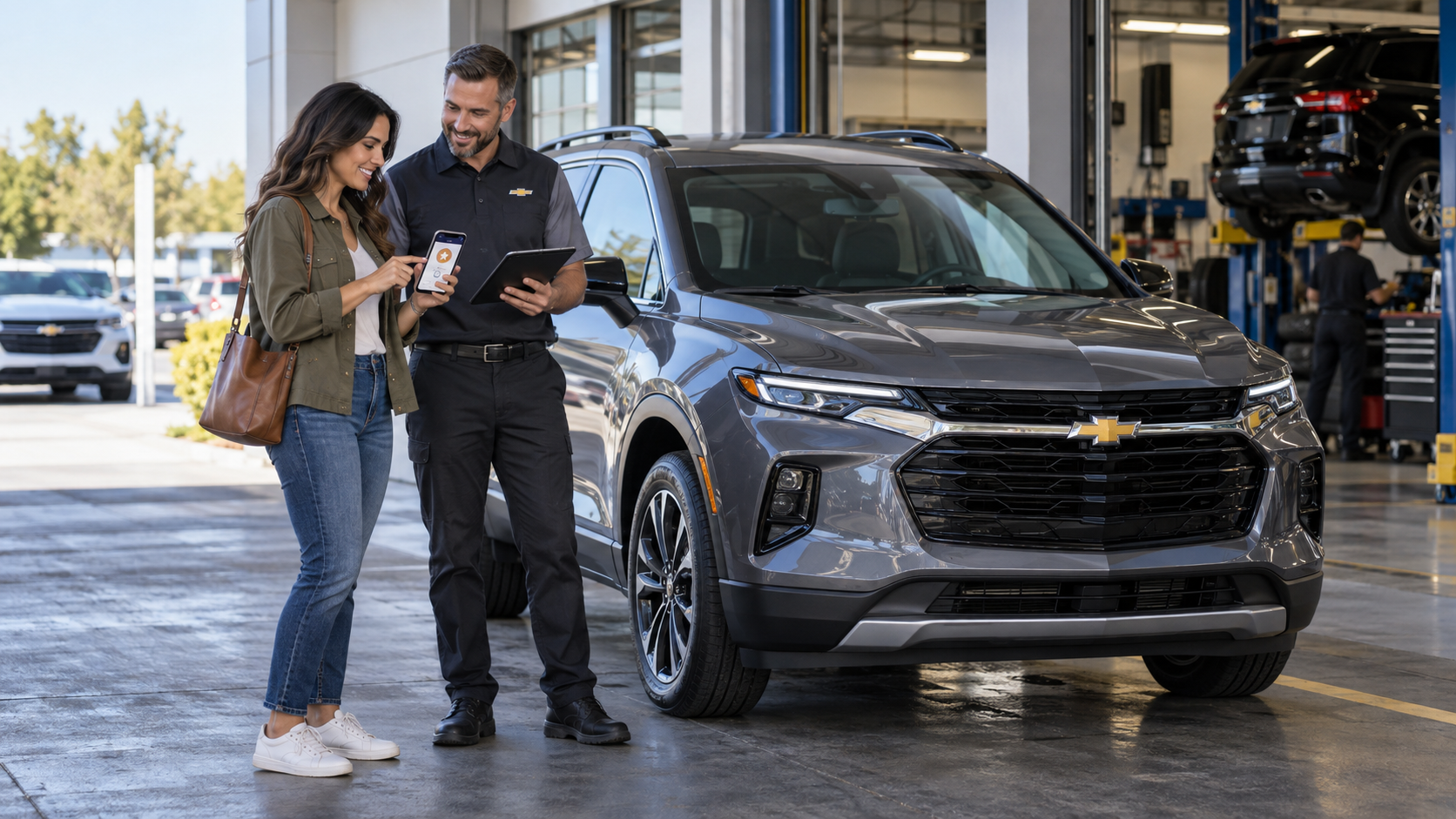
GM Rewards gives Chevrolet owners points on eligible GM purchases. In addition, those points can support qualifying service, parts, accessories, and other GM transactions later. Because the program continues after delivery, it can stay useful well beyond the day you take your Chevrolet home. Your account becomes the place where earned points, redemption choices, and account details come together. Therefore, knowing the basic rules can make the program much easier to use. How Chevrolet Owners Earn GM Rewards Points GM Rewards points can come from several eligible GM transactions. Members earn one point per five dollars on eligible new GM vehicle purchases or leases. In addition, most other eligible GM purchases earn three points per dollar. Those purchases can include qualifying paid service, parts, accessories, and other approved GM transactions. The earning rate changes by transaction type. Therefore, points from a vehicle transaction differ from points earned through many service or parts purchases. Chevrolet publishes current GM Rewards earning details through its official support resources. Your final points total also depends on which charges qualify under the program rules. Some costs do not earn points. Taxes, discounts, rebates, warranty repairs, and certain repair charges may fall outside eligible spending. Because those exclusions matter, it is useful to review the transaction before estimating your points. A simple way to think about earning is to separate each Chevrolet expense into three questions: Is the purchase or service eligible under the current GM Rewards rules? Is the qualifying amount based on the full transaction or only selected charges? Did the purchase connect to the correct GM Rewards account? That approach keeps the focus on eligible spending instead of the total invoice alone. In addition, it can reduce confusion when your posted point total differs from the full transaction amount. How Chevrolet Certified Service Can Add Points Chevrolet Certified Service at Harry Blackwell Chevrolet can be one way to keep using GM Rewards after purchase. Paid Certified Service may qualify for points when the work meets current program requirements. Therefore, routine maintenance can connect back to the same Rewards account used after the original vehicle transaction. Oil changes, maintenance items, eligible parts, and qualifying accessories may create point earning opportunities. However, every line on a repair order does not necessarily qualify. Current rules may exclude warranty work, body shop repairs, taxes, and certain other charges. The service visit can also work in both directions. You may earn points from eligible paid work. You may also be able to redeem GM Rewards points toward qualifying service, parts, or accessories. Therefore, the Rewards account can become part of the service payment process instead of remaining separate from vehicle care. Before a visit, check your GM Rewards balance and account details. Then, tell the service team if you plan to redeem points. That gives the dealership a chance to confirm eligibility before finalizing the repair order. In addition, having your member information ready can make the redemption process easier at checkout. Where GM Rewards Points Can Be Used GM Rewards points are not limited to one type of transaction. Eligible redemption choices can include Chevrolet service, parts, accessories, OnStar, qualifying GM Financial activity, and certain vehicle transactions. Because the categories cover several stages of Chevrolet ownership, points can serve different needs at different times. That said, the most useful redemption choice may change as your Chevrolet needs change. Someone due for scheduled maintenance may apply points toward eligible service. Another owner may use points for qualifying accessories. A customer with GM Financial may have another eligible redemption path through that account. Before using points, review the current redemption rules for the transaction you have planned. The program can include category specific requirements, account steps, or redemption limits. Therefore, checking those details first can prevent surprises at the dealership or inside your GM account. Common redemption paths include: Qualifying Chevrolet Certified Service can give owners a direct way to apply points toward eligible vehicle care. Eligible parts and accessories can provide another way to use points for Chevrolet related purchases. Certain GM Financial, OnStar, and vehicle transactions may also accept points under current program terms. GM currently values Rewards points at one cent each when you redeem them through General Motors. Therefore, 1,000 eligible points equal ten dollars in redemption value. Still, the exact redemption path should match the current rules for that purchase. How to Check and Use Your GM Rewards Points Your GM account is the main place to review GM Rewards information. The Rewards Dashboard can show your point balance, activity, and account details. In addition, it can provide access to information needed before a redemption. Points may not appear the moment you complete a transaction. Most eligible points can post quickly, while some transactions can require more processing time. Therefore, a short delay does not always signal an account problem. If points still do not appear after the stated posting window, review the transaction and account details. Your member number can also matter during redemption. Keeping that information available can make it easier to connect your dealership transaction with the correct Rewards account. In addition, verify that your account information matches the details used during the purchase or service visit. A useful account check before service or another GM purchase includes three items: Review your current point balance before deciding how many points you want to redeem. Confirm your member information so the dealership connects the transaction to the correct account. Check the current redemption terms for the service, part, accessory, or other GM purchase you plan to make. That short review can make the dealership conversation clearer. It also gives you a better idea of what your points can cover before the transaction begins. Keeping GM Rewards Connected to Chevrolet Ownership GM Rewards can remain relevant after the initial Chevrolet purchase because the program reaches into later GM transactions. Service, parts, accessories, account activity, and selected future purchases can all connect back to the same Rewards membership. Therefore, the program works best when you treat the account as an ongoing part of Chevrolet ownership. Harry Blackwell Chevrolet can assist when you are planning qualifying service, parts, accessories, or another Chevrolet transaction. Before your visit, review your GM Rewards account and current point balance. Then, bring your member information with you and ask which parts of the transaction qualify. If your Chevrolet is due for maintenance or repair, you can also schedule Chevrolet service with Harry Blackwell Chevrolet before your visit. The main goal is simple. Know how you earn points, know where you can redeem them, and check the current rules before using them. With those steps in place, GM Rewards can stay connected to your Chevrolet long after the original purchase.