




Choosing among Chevrolet SUV sizes means looking at how much passenger room, cargo space, and parking clearance your routine requires. A short commute places different demands on an SUV than a family trip with six passengers and luggage. Furthermore, exterior dimensions only tell part of the story. Seating arrangements, cargo floor dimensions, and access to each row also shape how well a vehicle fits your plans. Chevrolet offers everything from small two-row crossovers to full-size SUVs with three rows. Knowing how these layouts differ makes narrowing your options easier.
How Chevrolet SUV Sizes Change the Driving and Parking Fit
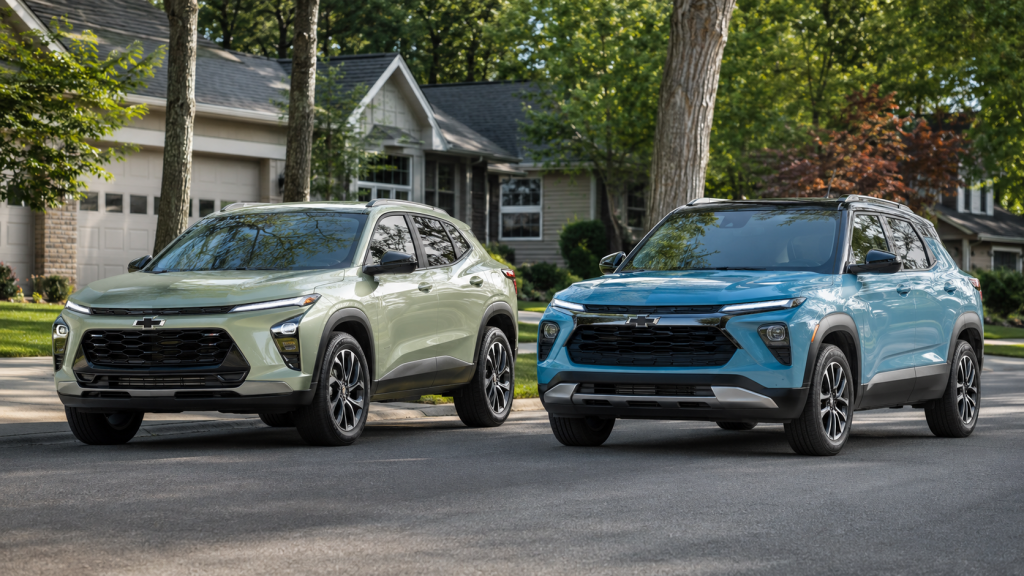
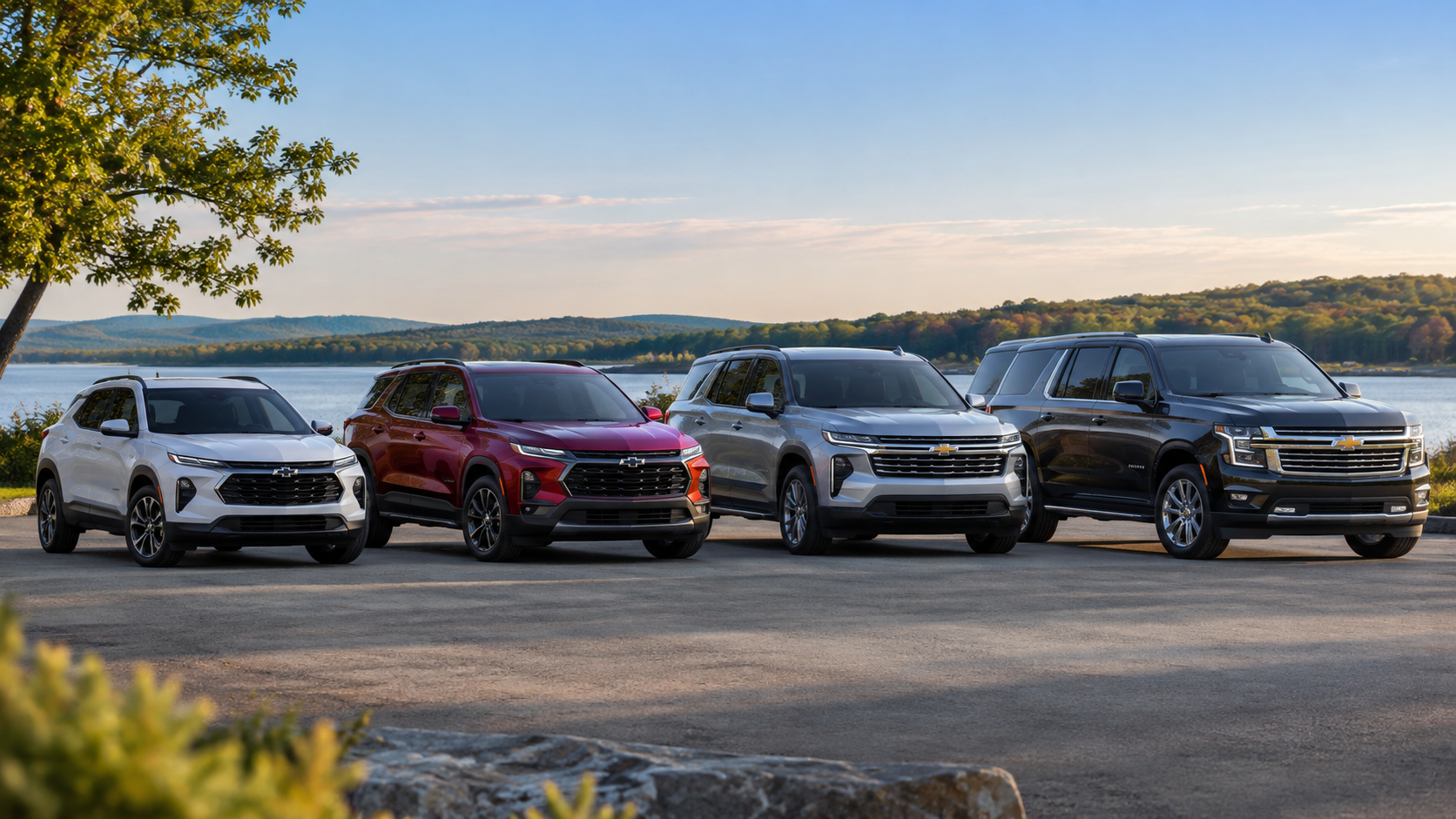
Chevrolet's SUV lineup spans several size categories, each offering a different combination of exterior dimensions and interior room. The Trax and Trailblazer represent the smaller end of the lineup. Equinox and Blazer provide larger two-row alternatives. Traverse introduces three-row seating, while Tahoe and Suburban occupy the full-size category.
How does SUV size change your commute? Exterior length and width establish how much space the vehicle occupies on the road. However, wheelbase, steering geometry, and turning diameter also shape how easily an SUV moves through tight spaces.
A smaller Chevrolet SUV may suit a commute involving crowded parking lots, narrow residential streets, or compact garages. Meanwhile, a larger SUV requires additional clearance when turning, parking, and opening passenger doors.
Before narrowing your choices, evaluate three measurements that directly relate to your usual driving locations:
- Overall length: Measure your garage or parking space to confirm sufficient room for the vehicle and access around it.
- Overall width: Check vehicle width and mirror clearance, since narrow entrances may require more precision than open parking spaces.
- Turning diameter: Review the manufacturer's measurement to understand how much room the SUV needs to complete a tight turn.
Beyond that, consider how frequently you park beside other vehicles. A garage may accommodate the SUV's body while leaving limited room to open its doors.
For this reason, vehicle size should reflect the spaces you visit most, not merely the number of passengers you carry.
Choosing a Two-Row Chevrolet SUV for Passengers and Cargo
Chevrolet's two-row SUVs include Trax, Trailblazer, Equinox, and Blazer. Each provides seating for five, but the cabin dimensions and cargo arrangements differ.
The smaller 2026 Chevrolet Trax and 2026 Chevrolet Trailblazer offer alternatives for drivers who commute frequently and carry modest amounts of cargo. However, five-passenger seating does not mean every occupant receives identical legroom across these models.
Rear-seat dimensions deserve attention when adults or growing children travel together. Furthermore, seating position and front-seat adjustments can change the usable room behind the driver.
How should cargo space factor into a two-row SUV decision? Start by separating cargo volume behind the rear seats from maximum cargo volume. Maximum figures generally reflect a configuration with rear seats folded, leaving fewer positions available for passengers.
The 2026 Chevrolet Trax offers up to 54 cubic feet of maximum cargo volume. Meanwhile, the 2026 Trailblazer offers up to 54.4 cubic feet. Those figures provide a useful reference, but neither measurement tells you the complete shape of the cargo area.
The Equinox and Blazer introduce additional two-row choices. Their different body designs, seating dimensions, and rear cargo layouts warrant closer examination when space is a deciding factor.
For instance, a stroller might fit within a vehicle's published cargo volume but prove difficult to load through its liftgate. Similarly, a wide cooler or pet carrier may require a particular floor shape.
Therefore, examine the cargo opening, floor length, and rear-seat folding arrangement alongside the published volume. Also consider whether the rear seats must remain upright during your usual trips.
A two-row Chevrolet may provide all the space your household needs without moving into a longer three-row vehicle.
When Three-Row Seating Makes Sense in a Chevrolet SUV
Moving into a three-row SUV changes how passengers enter, sit, and share the cabin. The 2026 Chevrolet Traverse introduces that layout within the midsize SUV category.
Its three-row design can seat up to eight people, subject to seating configuration. However, adding another row changes the amount of cargo room available when every seat remains upright.
When does a third row make sense for your household? The answer begins with how frequently you carry more than five passengers. A family transporting several children together may need the extra seats throughout the week.
By contrast, a household that rarely transports additional passengers might prioritize the cargo room of a larger two-row SUV.
Three considerations deserve attention when evaluating Traverse seating:
- Passenger frequency: Count the people who travel together each week to establish whether the third row will receive regular use.
- Second-row configuration: Compare bench seating with available captain's chairs, since these arrangements change seating capacity and access to the rear.
- Cargo behind the third row: Examine remaining storage space with all passenger seats upright, particularly when transporting luggage or sports equipment.
The 2026 Traverse provides 22.9 cubic feet of cargo volume behind its third row. With its seats configured for maximum cargo storage, that figure rises to 98 cubic feet.
Those measurements describe very different seating arrangements. Consequently, the maximum figure should never serve as the only reference for family trips requiring all three rows.
For instance, carrying seven passengers means leaving most seating positions available. Luggage must then fit into the remaining rear cargo area.
In addition, consider the physical access required for younger passengers. Seat movement, entry openings, and third-row legroom can shape loading routines.
The Traverse gives families a three-row option without automatically requiring the larger dimensions of Tahoe or Suburban.
Understanding the Extra Space in Tahoe and Suburban
Chevrolet Tahoe and Suburban extend the lineup into full-size SUVs. Both feature three rows and body-on-frame construction, distinguishing their architecture from smaller Chevrolet crossovers.
Body-on-frame construction uses a separate structural frame beneath the vehicle body. This arrangement supports the architecture used in Chevrolet's full-size SUVs and trucks.
However, exterior size remains central when evaluating either model. Both require more space for parking and maneuvering than the smaller crossovers.
Why consider Tahoe or Suburban after reviewing Traverse? One reason is the amount of cargo that must accompany a full passenger group. Another is the combination of seating requirements and trailering needs.
The 2026 Tahoe provides up to 122.7 cubic feet of maximum cargo volume. The 2026 Suburban increases that figure to 144.5 cubic feet.
Still, maximum cargo measurements reflect folded seating arrangements. Therefore, compare space behind the third row when planning trips with every passenger seat occupied.
Suburban's longer body creates additional cargo room behind its rear passenger area. This distinction deserves attention when a household carries multiple suitcases, large equipment, or travel supplies.
Furthermore, a larger cabin does not eliminate the need to assess seating configurations. Tahoe and Suburban can seat up to nine in applicable configurations, but available arrangements vary.
If towing is part of your plans, review the specific model's trailering limits and equipment. Trailer weight, passenger loading, and cargo weight must remain within the manufacturer's ratings.
For parking, measure garage depth and the clearance needed behind the liftgate. A longer SUV may fit inside the garage while leaving limited space for unloading.
Choose between Tahoe and Suburban by examining passenger count, retained cargo space, towing requirements, and available parking room together.
Narrowing Your Chevrolet SUV Choices Before Visiting the Dealership
Once the size categories are clear, your next task is narrowing the lineup to a manageable shortlist. Begin with your usual passenger count, followed by the storage space your household needs most weeks.
Before comparing trims or equipment packages, work through three basic checks:
- Passenger requirements: Record your usual passenger count and the maximum number you transport together during family outings or group trips.
- Cargo requirements: Measure the largest items you carry and check whether they fit with the necessary passenger seats upright.
- Parking requirements: Compare your garage, driveway, and workplace parking dimensions with each SUV's published exterior measurements.
After completing those checks, compare two or three Chevrolet models that meet your requirements. Smaller vehicles may provide enough room for commuting, shopping, and occasional travel.
However, larger households may need more rear-seat access or cargo room. Those needs may lead you toward Traverse, Tahoe, or Suburban.
To explore smaller options, review the 2026 Chevrolet Trax and 2026 Chevrolet Trailblazer. Families considering three rows can examine the 2026 Chevrolet Traverse.
You can also visit Harry Blackwell Chevrolet's model research center to explore additional Chevrolet SUV options.
Finally, browse the dealership's new Chevrolet inventory to review current listings and available configurations. Sitting in each row and checking the cargo opening provides details that published measurements cannot fully communicate. Bring your passenger, cargo, and parking measurements when comparing models. That information will keep your decision focused on the space you need.